
Why Greenery Is Disappearing From Perth’s New Estates
Walk through some of Perth’s newest estates and you will notice something missing. The streets are straight and the lots are flat, but the shade is almost nonexistent. Advocates say this is no accident.
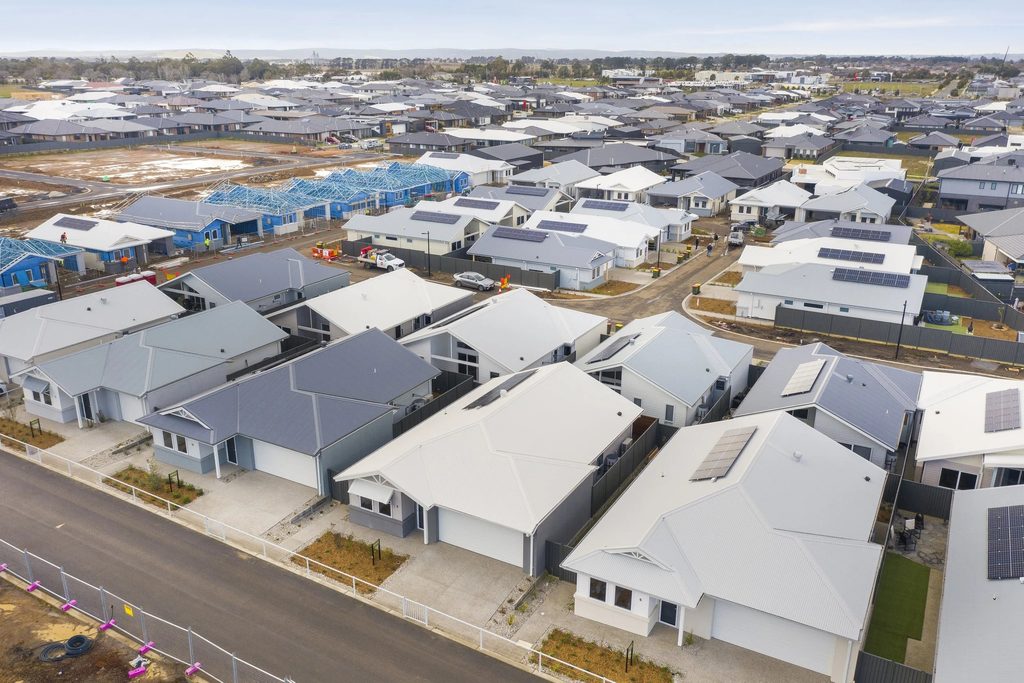
According to the WA Tree Canopy Advocates (WATCA), land developers are clearing almost every piece of greenery from new estates before construction begins. In some suburbs, up to 98 per cent of the area is left without tree cover. The group argues that planning laws currently allow mature trees to be bulldozed entirely during greenfield subdivisions.
For anyone buying in Perth’s outer growth areas, this matters. It affects how hot your home gets, what you pay to cool it and how the suburb looks and feels in ten or twenty years. This guide breaks down what has been reported, who is saying what, and what it means for property buyers and owners.
Fact 1: Canopy Cover Is Lowest in the Growth Corridors
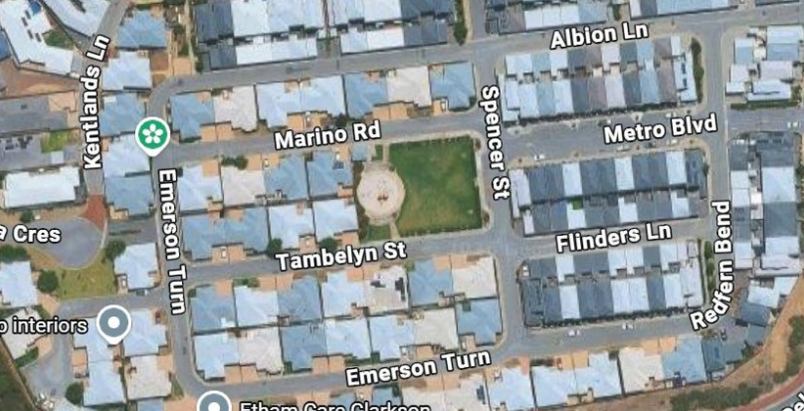
WATCA chairwoman Sarah Allchurch says Perth’s lowest canopy levels are found in the “mortgage belt” of the newer northern and southern growth areas. The figures are stark.
| Suburb | Region | Reported tree canopy cover |
|---|---|---|
| Alkimos | North | 1 to 1.8 per cent |
| Eglinton | North | 1 to 1.8 per cent |
| Butler | North | 1 to 1.8 per cent |
| Treeby | South | About 2 per cent |
In Alkimos, Eglinton and Butler, more than 98 per cent of the suburb has no tree cover at all. Treeby in the south isn’t far behind.
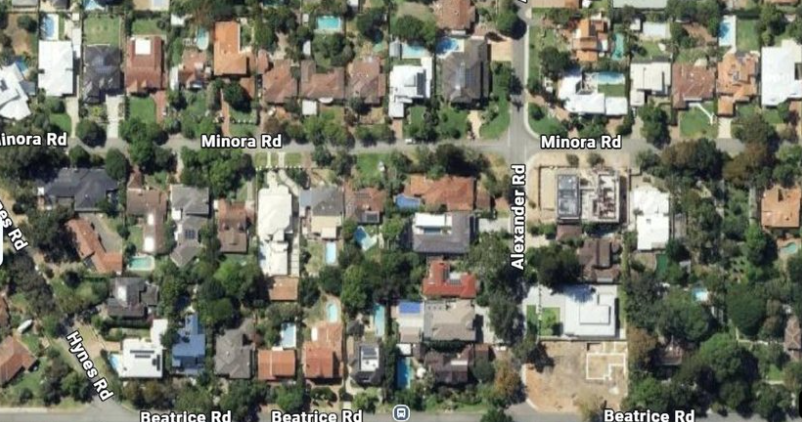
Ms Allchurch also pointed to a pattern seen around the world. Wealthier areas tend to have more trees, and Perth is no exception. Established suburbs such as Dalkeith and the leafy western suburbs enjoy far more greenery than the newer estates on the city’s fringe.
She was clear that this shouldn’t be the case. “Every demographic deserved the benefits of mature trees,” she said, especially in a hot city like Perth.
Fact 2: Heat Islands Hit Household Budgets
WATCA says the clearing practice has turned new suburbs into “heat islands”. Without shade, hard surfaces absorb and radiate heat, and the neighbourhood stays hotter for longer.
For families, the consequences are practical:
- Higher temperatures around the home
- Greater reliance on air-conditioning
- Higher cooling costs, particularly through Perth’s long summers
- Greater health risks during hot weather
Ms Allchurch warned that the families moving into these estates “will pay the price for decades”. Her point is that the cost of lost greenery doesn’t show up on the contract of sale. It shows up later, on the power bill and in the comfort of the home.
In a city that regularly records extreme summer heat, shade is a real part of what makes a home liveable.
Fact 3: Why Greenery Matters More Than a Sapling Promise
A common response to the issue is that developers plant new trees once construction is finished. Ms Allchurch says this makes very little difference in the short term.
Saplings simply don’t provide enough canopy to reduce heat until they are around 30 to 60 years old. Her description puts it well: a sapling is “a promise of shade for your grandkids”, while a mature tree shades your family today.
This is why advocates draw a sharp line between retaining existing trees and planting new ones.
| Retained mature tree | Newly planted sapling | |
|---|---|---|
| Shade for today’s residents | Immediate | Minimal for years |
| Heat reduction | Meaningful from day one | Takes decades to build |
| Time to full canopy benefit | Already established | Roughly 30 to 60 years |
Ms Allchurch described trees as “essential infrastructure” in a city like Perth, not decoration. Seen that way, bulldozing mature greenery is more like removing a utility than skipping a landscaping touch.
She also noted that earlier subdivision practices in WA commonly worked with existing landforms and vegetation. Site-responsive design allowed mature trees to be kept. That approach has largely been replaced by large-scale clearing and bulk earthworks, which produce flat, construction-ready lots.
Fact 4: Planning Rules Encourage Trees but Don’t Require Them
The central complaint from WATCA is that the planning framework doesn’t protect existing vegetation. Key planning instruments, including Liveable Neighbourhoods and the WA Planning Commission Model Subdivision Conditions, do mention trees, landscaping and tree retention. But they don’t mandate the protection of existing greenery.
Ms Allchurch said the State Government has set a 30 per cent canopy target but hasn’t changed the planning rules to reach it. Her words: “it’s like filling the bath with the plug out.”
She also said that:
- Developers are still not required to retain a single tree when clearing land for new suburbs
- State planning codes don’t actually protect any trees
- The 30 per cent target carries no reward for meeting it and no penalty for missing it
Her recommendation is simple. If the State Government is serious about the target, tree retention should become a requirement within the planning system.
Fact 5: Government and Industry See the Problem Differently
The article also reports responses from the State Government and from the body representing land developers. Both acknowledge that trees matter, but they emphasise different things.
The State Government’s position
A State Government spokesperson said the Government has taken proactive steps to protect urban tree canopy in new developments. The measures listed include:
- Revised residential codes (2024): incentives to retain existing trees, plus minimum planting and soft landscaping standards for new developments
- Apartment codes (2019): minimum requirements for deep soil zones, tree planting and soft landscaping in higher-density developments
- Urban Greening Strategy: the first ever for Perth and Peel
- Let’s Grow program: $10 million in grants to boost canopy at schools and community groups
- Treebates: incentives for people to plant native trees on their own properties
The developers’ position
The chief executive of the developers’ peak body, Tanya Steinbeck, said trees improve neighbourhood amenity, reduce urban heat and support biodiversity. She also described the issue as complex, with a direct link to the cost of land.
Her central argument is a trade-off between canopy requirements and housing affordability. As governments push to increase supply, lot sizes have generally become smaller and densities have increased in suitable locations. That leaves less room for large trees on individual lots and adds cost and complexity to compliance.
Ms Steinbeck said developers must also balance competing requirements:
| Competing requirement | Why it matters |
|---|---|
| Bushfire regulations | Public safety considerations |
| Road infrastructure | Space and layout constraints |
| Drainage | Engineering and site design |
| Power, water and sewer services | Servicing corridors |
| Public open space provision | Land allocation |
| Housing affordability objectives | Cost of land and lots |
“The challenge is not choosing between trees and housing,” she said, “but finding the right balance between both outcomes.”
Both sides agree that greenery has value. The disagreement is over how much to mandate, and who pays for it.
What This Means for Perth Buyers and Owners
For property buyers, this debate has real consequences. Tree canopy is one of the most visible differences between an established suburb and a new estate. It shapes street appeal, summer comfort and, over time, how a suburb is perceived by the next buyer.
Here are some ways the issue could play out.
For buyers in new estates. Lower-priced land in growth corridors can offer genuine value, and affordability is a legitimate reason to buy there. But it pays to factor in likely cooling costs and the cost of establishing your own shade, such as trees, pergolas and outdoor cover.
For owners of established homes. Mature street trees and leafy blocks are a clear asset in a hot climate. The reporting suggests the gap between leafy and treeless suburbs is more noticeable than ever, which can strengthen the appeal of well-vegetated areas.
For anyone watching policy. The planning framework is at the centre of this debate. If tree retention were ever mandated, it could change how new lots are designed and what they cost. That is not a prediction, only something worth keeping an eye on.
A Buyer’s Checklist for Assessing a Suburb’s Greenery
Whether you are buying in a new estate or an established suburb, these practical checks can help you judge how much shade and greenery a property will actually offer.
- Visit in the afternoon. See how hot the street feels when the sun is high, and whether there is any natural shade.
- Look at the street trees. Are they mature, or are they young saplings with stakes and tree guards?
- Check the lot orientation. Consider how the sun hits the home and outdoor areas.
- Ask about soft landscaping. Understand what the estate’s design guidelines require or encourage on individual lots.
- Budget for shade. Include the cost of planting, shade structures and efficient cooling in your running costs.
- Look at the wider neighbourhood. Parks, reserves and retained bushland nearby add to the overall feel of a suburb.
- Compare suburbs. Check how a growth-area suburb’s tree cover compares with an established alternative before you commit.
None of this means a treeless estate is a bad purchase. It means going in with open eyes, and allowing for the work and cost of creating greenery that the developer may not have left behind.
Thinking of Buying or Selling? Talk to Holdsworth
Tree canopy is becoming one of the quiet factors shaping Perth property decisions. If you are weighing up a purchase in a newer estate or comparing it with a leafy established suburb, our team can help you understand how the trade-offs play out in real prices. If you own a home with mature greenery and wonder how it affects your value, we can provide a current appraisal.
Contact Holdsworth Real Estate today to talk through your options.